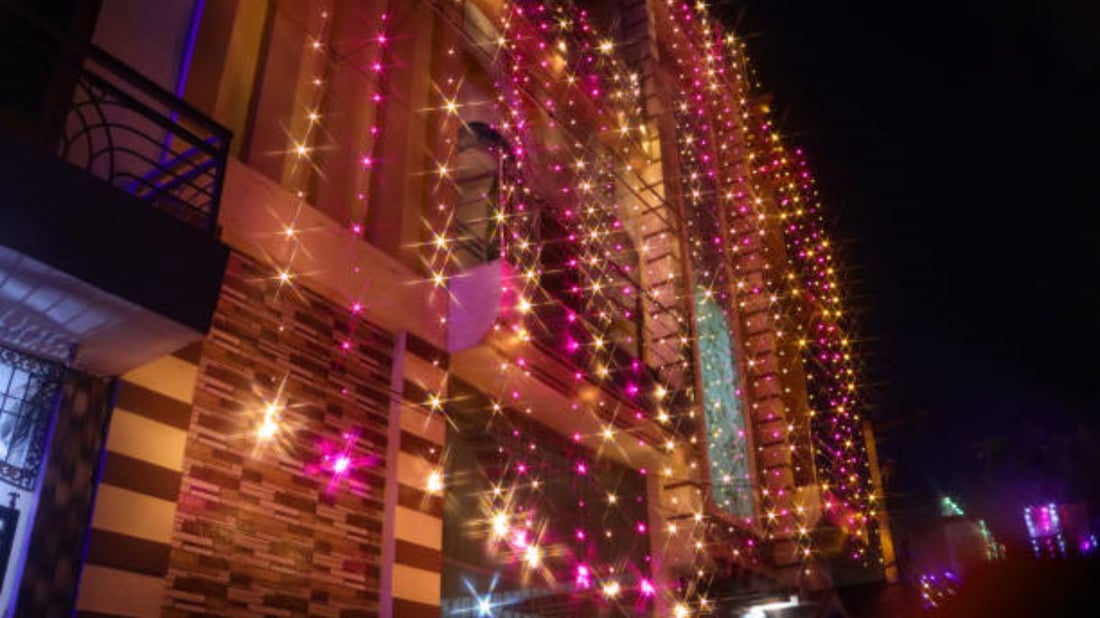
Diwali rice lights hold a special place in the celebration of the Festival of Lights. Traditionally, Diwali symbolizes the victory of light over darkness and good over evil. Rice lights, created by painting or coating grains of rice with colors and illuminating them with tiny diyas or LED bulbs, have become a creative and symbolic expression of this theme. These lights often adorn homes, altars, and public spaces, reflecting prosperity and auspiciousness during the festive season.
How Diwali Rice Lights Are Crafted
Creating Diwali rice lights is an engaging craft activity that involves using dyed rice grains and small light sources. Typically, rice is colored using vibrant dyes such as red, yellow, green, and blue. Once dried, the colored rice grains are arranged carefully on a base made of clay or cardboard. Tiny LED bulbs or tea lights are embedded among the rice grains, producing a radiant glow that enhances the overall appearance of the design. This artisanal process blends tradition with modern lighting techniques for a remarkable display.
Innovative Designs and Patterns in Diwali Rice Lights
Diwali rice lights offer limitless creativity when it comes to design. Artisans and hobbyists alike craft intricate patterns featuring geometric shapes, floral motifs, and religious symbols like diyas, lotus flowers, and Om signs. Some even create rangoli-inspired designs, using colored rice as the main medium. The fusion of light and color transforms ordinary rice grains into shimmering works of art, making them ideal for decorating doorsteps, balconies, and puja areas during Diwali.
Eco-Friendly Benefits of Diwali Rice Lights
In a time when sustainability is crucial, Diwali rice lights provide an eco-friendly alternative to plastic and electric decorations. Colored rice is biodegradable and nontoxic, reducing environmental impact. Additionally, using tea lights or energy-efficient LED bulbs further minimizes the carbon footprint. The use of natural materials in Diwali rice lights supports an environmentally responsible celebration, encouraging communities to celebrate with care for the planet.
Diwali Rice Lights as a Symbol of Family Bonding
Making Diwali rice lights is not just about decoration; it serves as an opportunity for family bonding. Gathering together to dye rice, arrange patterns, and light the diyas encourages participation from all age groups. This shared activity creates memories and strengthens relationships while imparting cultural values to younger generations. The collaborative crafting experience also enhances creativity and patience, making it a cherished Diwali tradition.
Incorporating Technology into Diwali Rice Lights
Modern interpretations of Diwali rice lights include integrating technology to amplify their beauty and functionality. LED bulbs, rechargeable lights, and even smart lighting systems are being used in rice light installations. Some designs incorporate programmable lights that change colors or blink in sync with music, adding a dynamic element to traditional décor. This merging of technology enriches festival celebrations by combining heritage with contemporary innovation.
Commercial and Decorative Uses of Diwali Rice Lights
Beyond private homes, Diwali rice lights have found their place in commercial decorations. Shops, malls, and hotels utilize these vibrant lights to attract customers and create an inviting festive ambiance. Their aesthetic appeal and symbolic importance make them popular choices for festive marketing displays and public events. Moreover, businesses often provide handmade Diwali rice light kits for customers, fostering a creative and immersive experience related to the festival.
Religious and Spiritual Context of Diwali Rice Lights
Lighting lamps during Diwali is deeply rooted in spiritual practices, symbolizing the dispelling of ignorance and awakening of knowledge. Diwali rice lights amplify this spiritual message by acting as tangible light forms that can be placed on altars or near images of deities such as Lakshmi and Ganesha. The gentle illumination from these lights is believed to invite divine blessings, purity, and prosperity into the household during the festival.
Safety Considerations for Using Diwali Rice Lights
While Diwali rice lights add warmth and charm to festivities, safety is paramount. Using battery-operated LED lights instead of open flames minimizes fire risks. If traditional oil diyas are used, it is vital to place them on secure, heat-resistant surfaces away from flammable materials. Additionally, ensuring electrical wiring is properly insulated helps prevent hazards. Following safety guidelines allows families to enjoy the beauty of Diwali rice lights without compromising well-being.
Future Trends in Diwali Rice Lights and Festive Décor
The popularity of Diwali rice lights continues to grow, inspiring innovations and new trends. Future developments may include the use of organic dyes, solar-powered lighting, and interactive installations combining augmented reality. Emphasis on sustainable materials and DIY kits encourages wider participation and cultural preservation. As traditions evolve, Diwali rice lights will remain an elegant and meaningful way to celebrate the Festival of Lights with creativity and environmental consciousness.
Quote Inquiry
contact us